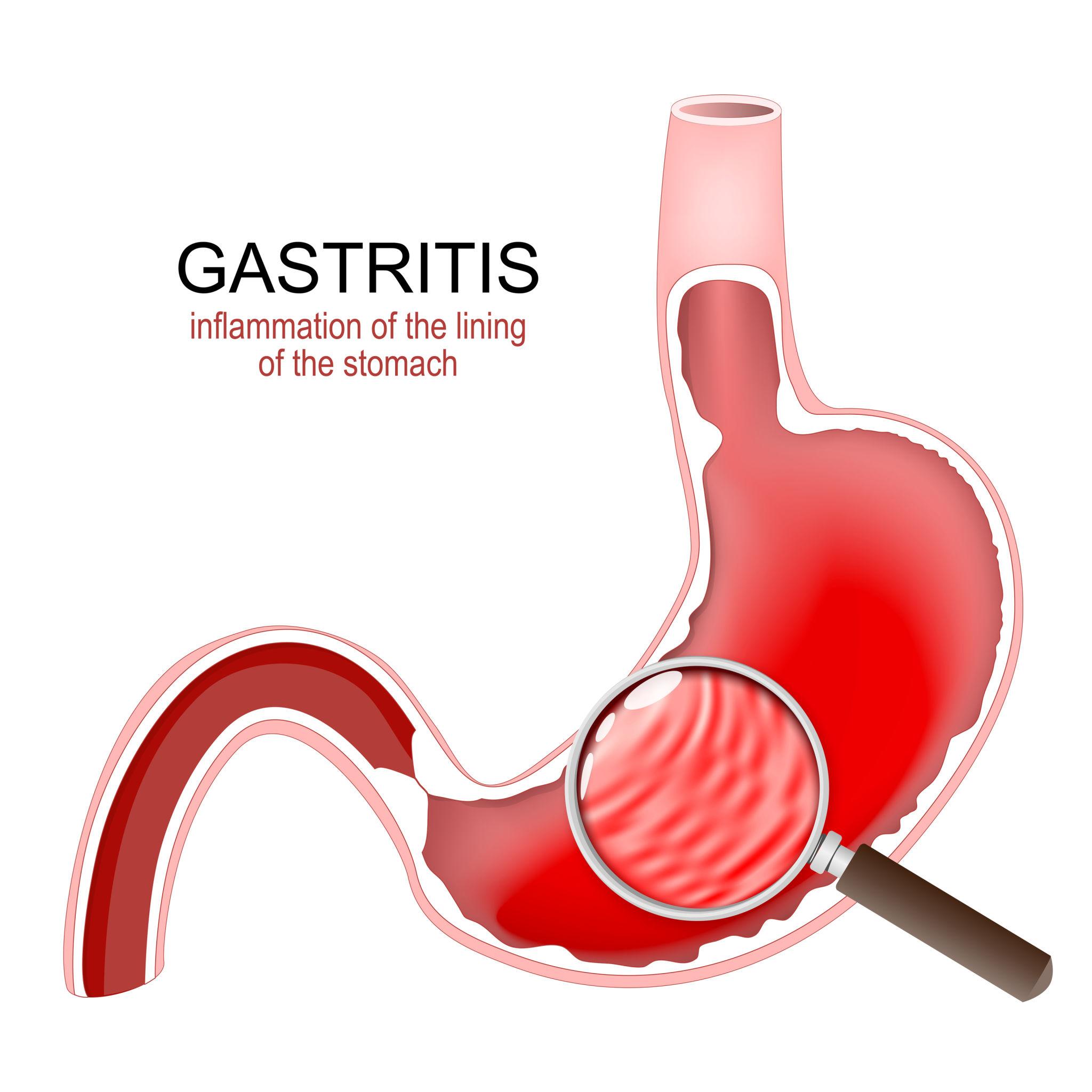
Gastritis is a condition in which the stomach lining becomes inflamed, meaning it is irritated or swollen. This inflammation can cause stomach pain, burning, indigestion, bloating, nausea, or vomiting.
If you have gastritis, what you eat and drink plays a major role in how fast your stomach heals.
Although some foods and drinks can improve stomach symptoms, others can make gastritis worse by increasing stomach acid or damaging the stomach lining.
This article explains the main foods and medicines to avoid or use with caution when you have gastritis, and why they are harmful, in clear and simple language.
Why Certain Foods and Medicines Worsen Gastritis
The stomach normally produces gastric acid, a strong acid that helps digest food. In gastritis, the stomach lining is already damaged. Some foods and medicines can:
- Increase stomach acid production
- Weaken the stomach’s protective lining
- Slow healing and worsen symptoms such as indigestion or vomiting
Avoiding these triggers helps reduce inflammation and supports recovery.
1. Fatty and Greasy Foods

Examples: fried chicken, mayonnaise, pilau, fatty meat, brochettes, excess avocado
Why to avoid:
Fatty foods digest slowly and force the stomach to produce more gastric acid, increasing pain and irritation.
2. Alcohol

Alcohol damages the protective layer of the stomach lining, allowing acid to irritate the stomach directly. It also worsens burning pain and vomiting.
3. Smoking and Tobacco

Nicotine increases acid reflux and slows healing of the stomach lining.
4. Caffeine-Containing Drinks and Foods
Examples: Coffee, black tea, sodas, energy drinks, some chocolates
Why to avoid:
Caffeine stimulates excess stomach acid, worsening indigestion and stomach burning.
5. Acidic Fruits and Vegetables
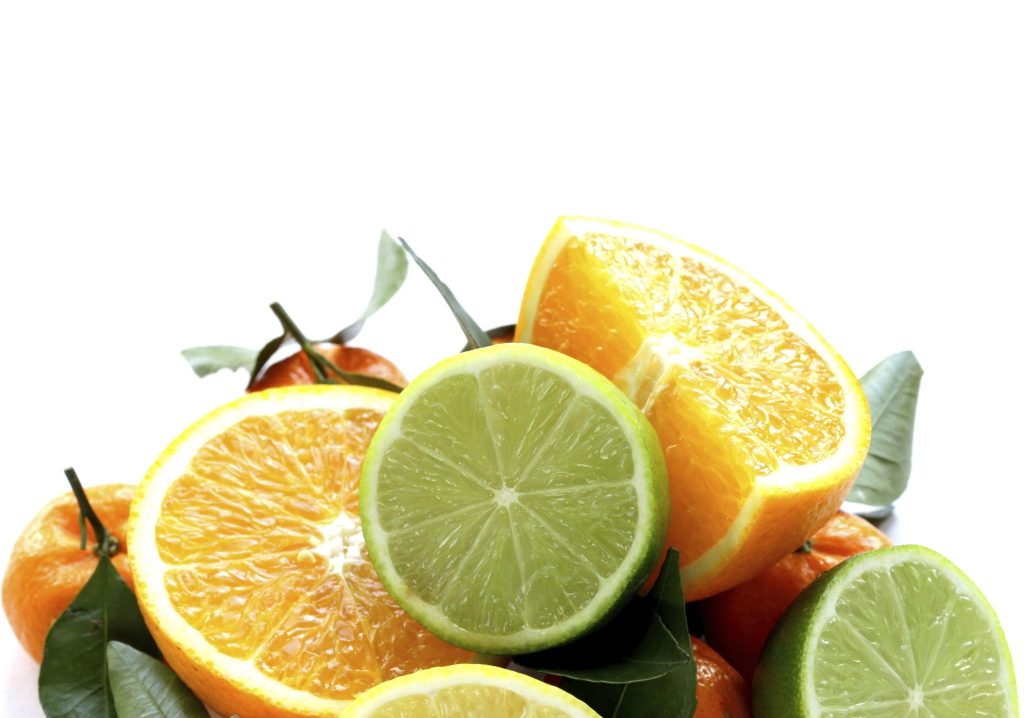
Examples: Lemons, oranges, passion fruit, pineapple, raw tomatoes
Why to avoid:
These foods contain natural acids (such as citric acid) that directly irritate an inflamed stomach lining.
6. Spicy Foods and Strong Spices
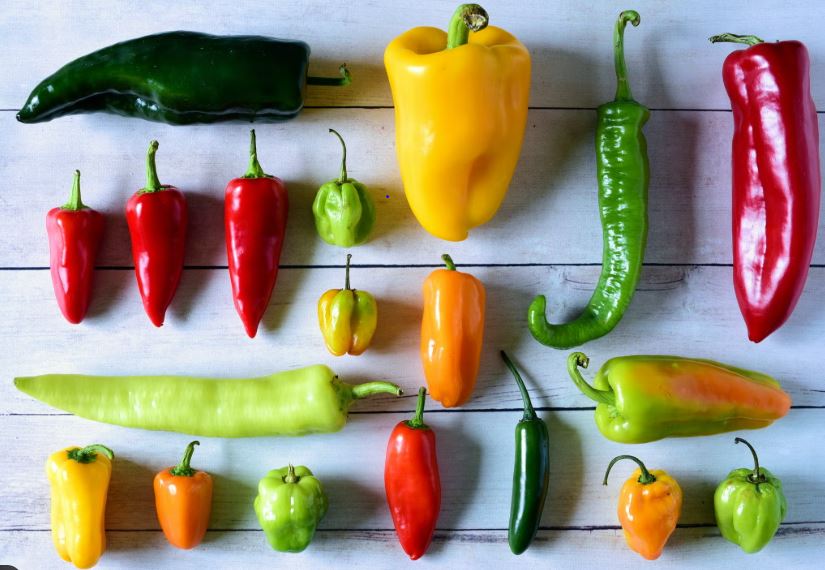
Spicy foods increase inflammation, meaning more swelling and irritation of the stomach.
7. Milk and Full-Fat Dairy Products
Many people believe that milk helps relieve stomach pain. In people with gastritis, however, milk can worsen symptoms through two main mechanisms.
7a. Temporary Relief Followed by Increased Stomach Acid (Effet Transitoire)
Milk may give short-term relief by briefly coating the stomach lining. This can reduce burning or pain for a short time. However, this effect is temporary (effet transitoire).
After a short period, milk—especially full-fat milk—stimulates the stomach to produce more gastric acid (acid used to digest food). This is known as a rebound acid effect.
In someone with gastritis, this extra acid can:
- Worsen inflammation of the stomach lining
- Increase stomach pain and burning
- Aggravate indigestion and nausea
- Delay healing of gastritis
In simple terms: milk may help briefly, then make gastritis worse.
7b. Poor Digestion of Lactose (Effet de Maldigestion du Lactose)
Milk contains lactose, a natural sugar. To digest lactose, the body needs an enzyme called lactase.
Many adults have low levels of lactase. When lactose is not properly digested, it causes:
- Bloating
- Stomach pain
- Gas
- Nausea or diarrhea
In people with gastritis, this added digestive irritation can worsen symptoms and increase discomfort.
In simple terms: if lactose is not digested well, milk irritates an already inflamed stomach.
Safer option: Small amounts of low-fat or fat-free milk, if tolerated.
8. Soft Drinks and Industrial Juices
Why to avoid:
They contain carbon dioxide (gas), which causes bloating, and high sugar, which increases stomach acid.
9. Grilled or Deep-Fried Meats
They digest slowly and irritate the stomach lining, delaying healing.
10. Heavy Starchy Foods That Digest Slowly
Examples: Cassava, cassava ugali, sweet potatoes, heavy maize porridge
Why to avoid:
They remain in the stomach longer, increasing bloating and acid production.
11. Medicines That Can Worsen Gastritis (Very Important)
Some commonly used medicines can cause or worsen gastritis, indigestion, nausea, or vomiting.
Common Examples
- Ibuprofen
- Aspirin
- Diclofenac
- Naproxen
- Ketoprofen
These belong to a group called NSAIDs (Non-Steroidal Anti-Inflammatory Drugs), used for pain, fever, and inflammation.
Why they are harmful:
NSAIDs reduce substances called prostaglandins, which normally protect the stomach by reducing acid and increasing protective mucus.
When prostaglandins are reduced, the stomach lining becomes weak, allowing acid damage and even stomach ulcers (open sores).
Important advice:
Avoid self-medication with painkillers if you have gastritis. Always consult a health professional for safer alternatives.
Key Take-Home Message
✔️ Gastritis treatment is not only about medicine diet and medication choices matter
✔️ Avoiding trigger foods and harmful medicines helps:
- Reduce stomach pain and indigestion
- Prevent nausea and vomiting
- Support faster healing
These recommendations are consistent with digestive health guidance aligned with the World Health Organization.
Frequently Asked Questions (FAQs)
Yes. With proper treatment, avoiding trigger foods and harmful medicines, and following medical advice, gastritis often heals fully.
Yes. Medicines such as ibuprofen, aspirin, diclofenac, and naproxen belong to a group called NSAIDs. They reduce stomach protection and can worsen gastritis, indigestion, nausea, or vomiting.
Milk may give temporary relief, but it can later increase stomach acid (effet transitoire). In addition, poor digestion of lactose (lactose maldigestion) can cause bloating and pain. For many people, milk worsens gastritis.
Yes. Gastritis commonly causes indigestion, nausea, and vomiting, especially when the stomach lining is very inflamed or irritated.
Medical Disclaimer
This content is for health education purposes only and does not replace professional medical consultation. Seek medical care if symptoms persist, worsen, or include severe pain, vomiting blood, or black stools.
Call to Action
If you have gastritis, review both your diet and the medicines you take with your healthcare provider.
Read our related articles on foods that improves your stomach health at keposhealth.com
Share this article to help others protect their stomach health.