Family planning allows women and families to decide if and when to have children. However, certain infectious and reproductive tract conditions can influence which contraceptive methods are safe to use.
Understanding these conditions helps women make informed, safe, and confident choices while protecting both their reproductive and overall health.
What Are Infectious and Reproductive Tract Conditions?
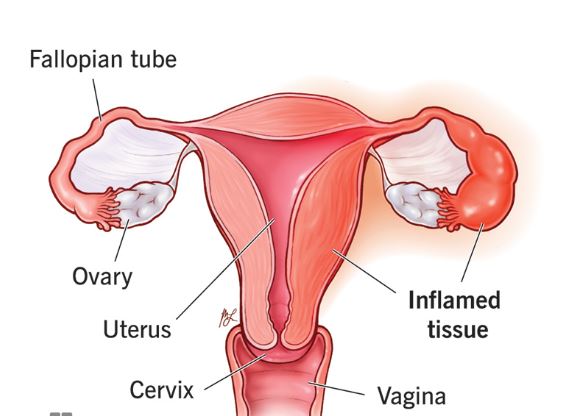
These conditions affect the female reproductive system and, in some cases, the entire body.
- Sexually transmitted infections (STIs)
Examples include chlamydia, gonorrhea, syphilis, and HIV. These infections are mainly spread through unprotected sexual contact. - Pelvic inflammatory disease (PID)
A serious infection of the uterus, fallopian tubes, or ovaries, often caused by untreated STIs. - Sepsis (puerperal or post-abortion)
A life-threatening infection that can occur after childbirth or abortion if bacteria enter the bloodstream. - Human Immunodeficiency Virus (HIV)
A virus that weakens the immune system and requires lifelong medical care.
Why Do These Conditions Matter for Family Planning?
Certain family planning methods may need careful selection or temporary delay when infections are present.
- Active infections can increase the risk of complications if some contraceptives are used without medical assessment
- Untreated STIs or PID may worsen if invasive methods are introduced too early
- HIV or severe infections may require medical supervision to ensure methods are safe and effective
Therefore, healthcare providers always assess whether an infection is active, treated, or resolved before recommending a method.
Safe Family Planning Options (According to WHO Guidance)
The World Health Organization provides clear guidance through the Medical Eligibility Criteria (MEC) to help providers choose safe methods.
Barrier Methods (Condoms)
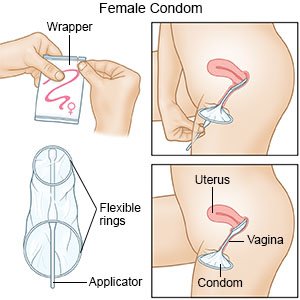
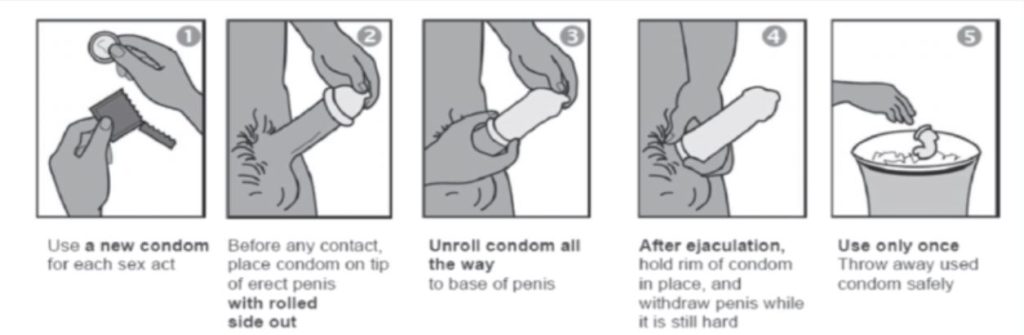
Condoms are safe for all women, including those with infections or HIV.
- Protect against unintended pregnancy
- The only method that protects against STIs and HIV
- Can be used alone or with another contraceptive method
Progestogen-Only Methods
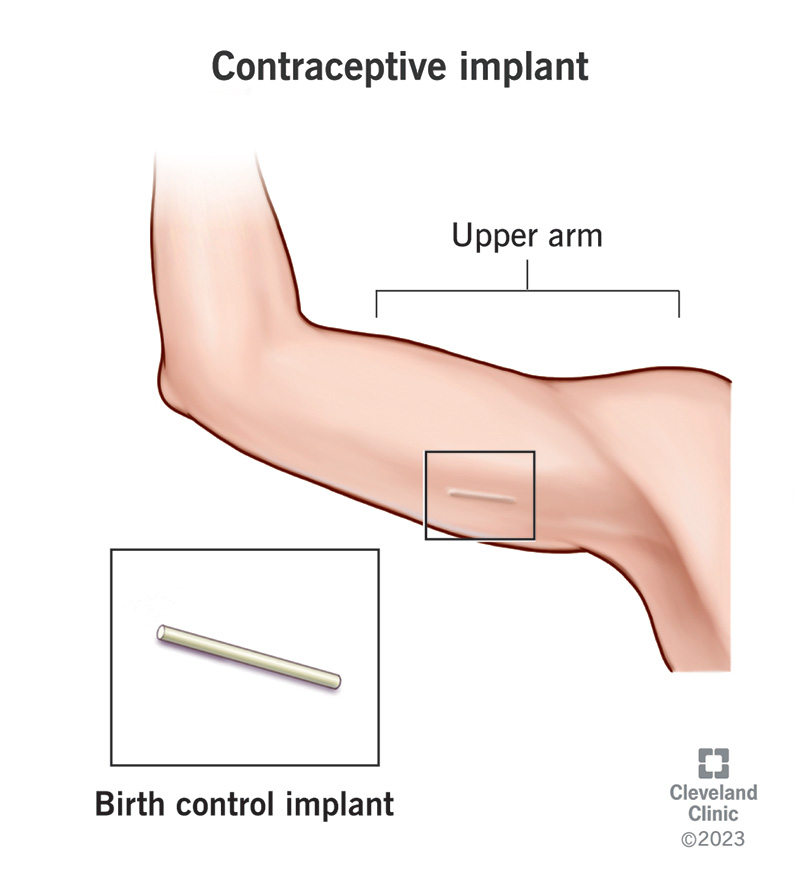
These include pills, implants, and injections.
- Generally safe for women with STIs or HIV
- Do not worsen infections
- Often suitable after medical assessment
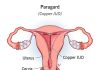
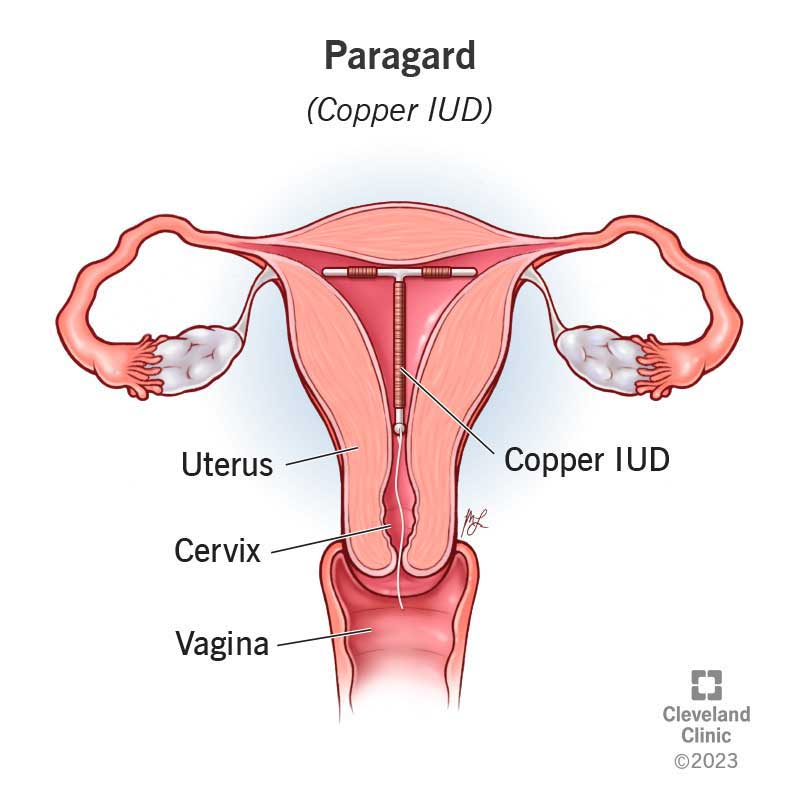
Copper Intrauterine Device (Copper IUD)
The Copper IUD is highly effective but requires correct timing.
- Safe after STIs or PID are fully treated
- Not inserted during active pelvic infection or sepsis
- A healthcare provider advises on when it is safe to use
Family Planning for Women Living With HIV
Women living with HIV can safely use most family planning methods with proper guidance.
- Condoms are strongly recommended to prevent transmission
- Other contraceptive methods can be used safely
- Regular follow-up ensures effectiveness and safety
Healthcare providers often use tools like the WHO MEC Wheel to guide decisions.
Methods to Delay or Use with Caution
Some methods require extra care:
- Intrauterine devices (IUDs) during:
- Active PID
- Untreated STIs
- Sepsis after childbirth or abortion
- Certain methods may need monitoring in women with advanced HIV or serious infections
Who Needs Extra Medical Guidance?
You should seek professional advice if you:
- Have an active STI or PID
- Recently experienced sepsis after childbirth or abortion
- Are living with HIV and want to start or change contraception
Medical guidance ensures risks are minimized and choices are safe
Important Messages for Women
Always discuss your infectious and reproductive health before choosing a contraceptive
Condoms protect against both pregnancy and STIs/HIV
Women living with HIV can safely use family planning
Some methods may need to be delayed until infections are treated
Regular follow-up supports long-term reproductive health
When to See a Healthcare Provider
Seek care if you experience:
- Pelvic pain, abnormal discharge, or fever
- Signs of infection after childbirth or abortion
- The need to start or change a family planning method while living with HIV
Early care prevents complications.
Key Takeaway
Women with infectious or reproductive tract conditions can still use family planning safely. With proper medical assessment, WHO-recommended guidance, and regular follow-up, effective and safe contraceptive options are available.
Frequently Asked Questions (FAQs)
Yes. Most family planning methods are safe. However, active infections such as untreated STIs or pelvic inflammatory disease (PID) may require temporary delay of certain methods, especially intrauterine devices, until treatment is completed
Yes. A Copper IUD can be safely used after infections are fully treated and resolved. According to World Health Organization guidance, it should not be inserted during active pelvic infection or sepsis.
Yes. Male and female condoms are the only family planning methods that protect against sexually transmitted infections (STIs), including HIV, in addition to preventing pregnancy.
Yes. Women living with HIV can safely use most family planning methods with proper medical guidance. Condoms are strongly recommended to prevent transmission, even when another contraceptive method is used.
You should seek medical advice if you:
Have symptoms of an STI or PID (pain, abnormal discharge, fever)
Recently had sepsis after childbirth or abortion
Are living with HIV and want to start or change a family planning method
Disclaimer
This content is for health education purposes only and does not replace professional medical advice, diagnosis, or treatment. Always consult a qualified healthcare provider for personalized guidance and care.