HIV Symptoms and Testing
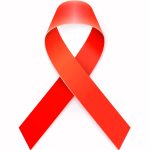
HIV symptoms and testing are important topics for everyone. Although people often mention HIV and AIDS together, they are not the same thing.
HIV (Human Immunodeficiency Virus) enters the body and attacks the immune system, which protects the body from infections.
AIDS (acquired immunodeficiency syndrome) represents the most advanced stage of HIV infection and develops only when HIV remains untreated for a long time.
Importantly, not everyone with HIV develops AIDS. With early testing and proper treatment, most people living with HIV never reach this stage.
According to guidance from the World Health Organization (WHO) and national health authorities, HIV is a lifelong condition. However, effective treatment enables people to live long, healthy, and productive lives.
As a result, early testing and treatment play a key role in protecting both individual and public health.
Common HIV Symptoms
Early HIV symptoms (2–6 weeks after infection)
At first, some people experience flu-like symptoms. Meanwhile, others feel completely well and notice no symptoms at all.
Common early HIV symptoms include:
- Fever
- Headache
- Sore throat
- Skin rash
- Swollen glands in the neck, armpits, or groin
- Tiredness or body aches
However, these symptoms are not specific to HIV, and many common illnesses can cause similar signs.
Later HIV symptoms (if HIV is not treated?
Over time, untreated HIV weakens the immune system. As a result, people may experience:
- Unexplained weight loss
- Persistent fever or night sweats
- Long-lasting diarrhea
- Frequent infections
- Chronic cough
- Extreme tiredness
Are HIV Symptoms Specific?
No. Most HIV symptoms are not specific, meaning many other illnesses can cause them.
For this reason, symptoms alone cannot diagnose HIV.
Instead, HIV testing provides the only reliable way to know your HIV status.
How HIV Is Transmitted
HIV spreads through contact with certain body fluids, including blood, semen, vaginal fluids, rectal fluids, and breast milk. On the other hand, everyday social contact does not transmit HIV
HIV transmission may occur through:
- Unprotected sexual contact
- Sharing needles or sharp objects
- From a mother to her baby during pregnancy, delivery, or breastfeeding (if not on treatment)
In contrast, HIV does not spread through:
- Hugging or shaking hands
- Sharing food or utensils
- Casual daily contact
How to Prevent HIV
Fortunately, people can prevent HIV using simple and effective measures.
To reduce the risk of HIV, several effective prevention measures are recommended:
- Using condoms correctly and consistently, especially if you have a new or more than one sexual partner
- Getting tested regularly, particularly with new partners
- Avoiding sharing needles or sharp objects
- Seeking medical advice early
- Pregnant women attending antenatal care early
Where Can You Get Tested for HIV?
HIV testing services are widely available and confidential. People can access testing at:
- Public health centers and district hospitals
- Health posts and community health facilities
- Antenatal care clinics
- Youth-friendly health services
- Community outreach or mobile clinics
- Authorized private health facilities
Health workers provide confidential testing and counseling. If you are unsure where to test, your nearest health facility can guide you.
When Should You Get Tested?
You should consider HIV testing in several situations.
For example, testing is recommended if:
- you have never tested before
- you had unprotected sex
- you have a new sexual partner
In addition, testing remains important if:
- symptoms persist without a clear cause
- you want to know your health status
Early HIV testing protects both your health and the health of others.
Living With HIV
Importantly, HIV is not a death sentence when people receive proper treatment.
With consistent treatment:
- medication lowers the amount of virus in the blood
- the immune system remains strong
- people with HIV can live normal lives
Moreover, when treatment reduces the virus to very low levels (called undetectable), HIV cannot be passed to others.
Key Public Health Takeaways
Overall, awareness, testing, and prevention remain the most effective tools to reduce HIV transmission
- HIV and AIDS are not the same
- HIV can affect anyone
- Many people with HIV have no symptoms
- Symptoms alone cannot diagnose HIV
- HIV testing is the only way to know your status
- Early treatment supports a healthy life
- Prevention and regular testing protect communities
This article is based on guidance from the World Health Organization (WHO), the U.S. Centers for Disease Control and Prevention (CDC), and national health authorities.
Read more trusted health information at keposhealth.com.
Frequently Asked Questions (FAQs)
Yes. Many people with HIV feel completely healthy, especially in the early stages. Some people may have no symptoms for years. This is why HIV testing is important even when you feel well.
No. HIV symptoms vary from person to person. Some people develop flu-like symptoms soon after infection, while others notice nothing at all. Symptoms alone cannot confirm HIV.
Currently, there is no cure for HIV. However, effective treatment can control the virus, allowing people with HIV to live long, healthy lives and prevent transmission to others.
A negative test means HIV was not detected at the time of testing. However, if you were recently exposed, you may need repeat testing. Health workers can advise you on when to test again.
Yes. With proper treatment and medical care, people living with HIV can have normal relationships, healthy children, and productive lives. Treatment greatly reduces the risk of transmission
Disclaimer
This content is for general health education only and does not replace professional medical advice. Always consult a qualified healthcare provider for personalized health concerns.