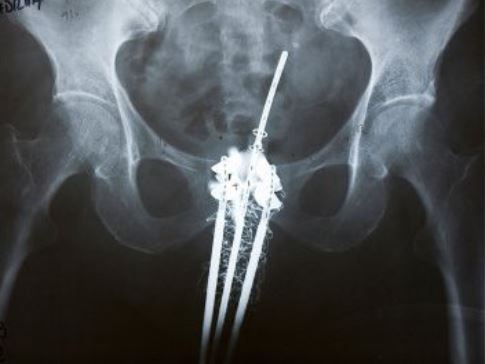
Illustration showing how brachytherapy delivers radiation directly to the cancer site to treat cervical cancer
Rwanda is preparing to introduce brachytherapy, an advanced cancer treatment. As a result, this step aims to improve care for women with cervical cancer.
The Rwanda Biomedical Center (RBC) announced the plan during the annual national review meeting on progress toward eliminating cervical cancer by 2027.
Meanwhile, health authorities held the meeting in Kigali on February 3, 2026. At the same time, the meeting formed part of activities marking World Cancer Day, observed every year on February 4.
Speaking to Igihe.com during the meeting, Dr. Maniragaba Théoneste, Head of the Cancer Control Unit at Rwanda Biomedical Center, said brachytherapy will support existing radiotherapy services in Rwanda. Currently, these services operate at Butaro Cancer Center of Excellence and Rwanda Military Referral and Teaching Hospital.
What Is Brachytherapy and Why It Matters
Dr. Maniragaba Théoneste, Head of the Cancer Control Unit at Rwanda Biomedical Center (RBC), explains that brachytherapy provides more precise and effective cancer treatmentOfficials from the Ministry of Health and partner organizations attend the national meeting on cervical cancer elimination held in Kigali as part of World Cancer Day activities.
Until now, most patients in Rwanda who need radiation treatment have relied on external radiotherapy. In this method, radiation comes from a machine outside the body.
External radiotherapy is effective. However, experts explain that it is not enough on its own to achieve the best cure rates for cervical cancer.
In practice, brachytherapy works in a different way. Doctors place a small tube or applicator inside the body, close to the cancer.
Doctors then deliver radiation directly to the tumor.
This targeted approach allows doctors to:
treat cancer cells more precisely
protect nearby healthy organs such as the bladder and intestines
reduce treatment-related side effects
Because of this, brachytherapy greatly improves the chances of cure, especially for women with cervical cancer.
Explaining its importance, Dr. Maniragaba said brachytherapy is safer and more effective than radiotherapy alone.
“The advantage of brachytherapy is that it reduces risks caused by radiation passing through other organs. In addition, it increases chances of cure because treatment is concentrated exactly where the cancer is located.”
Rwanda’s Progress Under Mission 2027
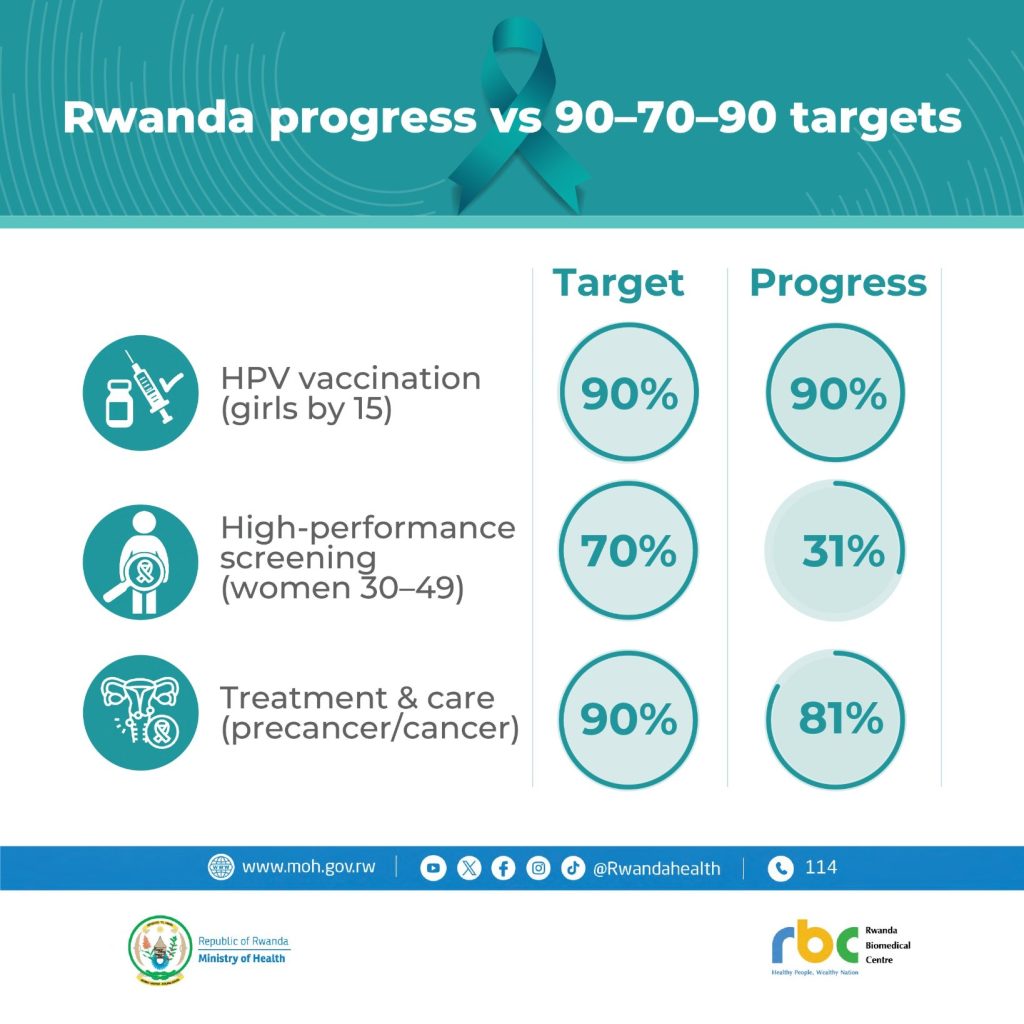
Rwanda’s progress toward the WHO 90–70–90 cervical cancer elimination targets, showing strong HPV vaccination coverage and ongoing efforts to expand screening and treatment
According to the Rwanda Biomedical Center (RBC), Rwanda has made notable progress toward eliminating cervical cancer since the launch of Mission 2027.
RBC reports the following achievements:
HPV vaccination coverage: about 90%
Screening coverage:31%
Treatment coverage:81%
While these gains are encouraging, health authorities stress that collective action remains essentialto achieve the national cervical cancer elimination targets by 2027.
Readiness for Implementation
In preparation, RBC confirmed that specialist doctors have already completed training. In particular, most of the training took place at Rwanda Military Referral and Teaching Hospital.
Health authorities expect brachytherapy services to begin in the near future.
Once the service starts, eligible patients will access treatment through existing health insurance schemes. As with other radiotherapy services, this system will cover the cost of care.
As a result, advanced cancer treatment will remain affordable and accessible.
Rwanda and the Global Cervical Cancer Context
Globally, cervical cancer is the fourth most common cancer among women.
Each year:
more than 600,000 women receive a diagnosis, and
over 340,000 women die from the disease.
These figures come from the World Health Organization (WHO) and the International Agency for Research on Cancer (IARC).
Nearly 90% of cervical cancer deaths occur in low- and middle-income countries. This happens mainly because access to screening and treatment remains limited.
In Rwanda, cervical cancer is the leading cancer among women. The country reports more than 1,200 new cases each year.
The country has made strong progress in:
HPV vaccination
cervical cancer screening
However, treatment capacity has remained a challenge.
For this reason, the introduction of brachytherapy marks a major milestone. It helps close the treatment gap and supports Rwanda’s goal to eliminate cervical cancer by 2027.
Health authorities continue to urge women to seek screening early. Ultimately, early detection combined with timely treatment saves lives.
Key Public Health Takeaways
Cervical cancer is preventable and treatable
Early detection greatly improves survival
Brachytherapy treats cancer more precisely
Targeted treatment causes fewer side effects
HPV vaccination and regular screening remain essential
Women should visit health facilities early for screening and follow-up care
For more reliable health information and updates, visit heposhealth.com
Mutuelle de Santé, Rwanda’s community-based health insurance system (CBHI), is undergoing important reforms in 2026. These changes affect contributions, benefits, and the...