Hypertension, also called high blood pressure, is a common condition. It happens when the pressure of blood in the blood vessels stays too high for a long time.
Blood pressure is important because it helps move blood around the body. However, when it remains high, it can silently damage important organs such as the heart, brain, kidneys, and eyes.
According to the World Health Organization (WHO), more than 1.3 billion people worldwide live with hypertension. Alarmingly, about 44% (around 600 million people) do not know they have the condition, because it often has no symptoms. In addition, only about 1 in 4 people with hypertension have it under control, meaning many are at risk of serious complications such as heart disease, stroke, and kidney failure.
What Is Blood Pressure in Hypertension?
Blood pressure is the force of blood pushing against the walls of your arteries (blood vessels).
It is written as two numbers:
- Systolic pressure (top number): pressure when the heart beats and pushes blood out
- Diastolic pressure (bottom number): pressure when the heart relaxes between beats
Example: 120/80 mmHg (read as “120 over 80”)
Normal and High Blood Pressure Levels
According to global health guidelines:
| Category | Blood Pressure |
|---|---|
| Normal | Less than 120/80 mmHg |
| Elevated | 120–129 / <80 mmHg |
| Hypertension | 140/90 mmHg or higher |
Important: A single high reading does not confirm hypertension. Blood pressure should be measured several times before making a diagnosis and always consult your healthcare provider.
Why Hypertension Is Dangerous?
Hypertension is often called a “silent killer” because many people feel normal even when their blood pressure is high.
Over time, uncontrolled high blood pressure can lead to:
- Heart disease (including heart attack)
- Stroke (damage to the brain due to reduced blood flow)
- Kidney failure
- Vision loss or blindness
- Damage to blood vessels
Global Impact of Hypertension
- Nearly 44% of people with hypertension are unaware of their condition.
- Only about 23% of people with hypertension have it under control.
- More than 700 million people with hypertension are not receiving treatment.
- Uncontrolled hypertension contributes to over 10 million deaths each year globally, mainly from heart attacks and strokes.
However, these complications can be prevented with early detection and proper treatment.
Common Symptoms of Hypertension
Most people with hypertension do not have symptoms, especially in the early stages.
In some cases, people may experience:
- Headaches
- Dizziness
- Blurred vision
- Chest pain
- Shortness of breath
Therefore, regular blood pressure checks are the best way to detect hypertension early.
What Causes Hypertension?
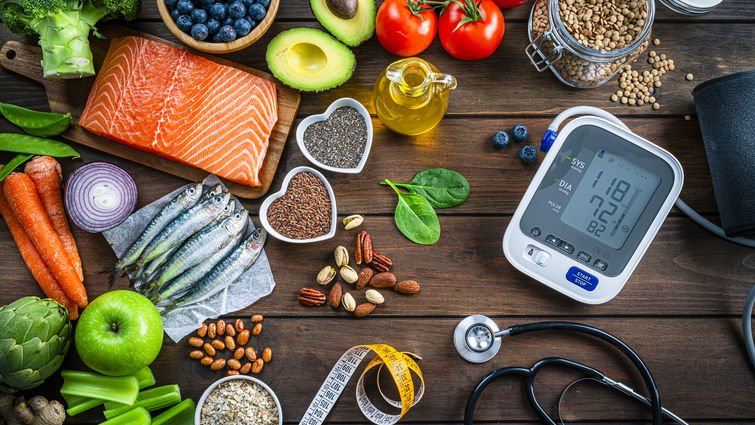
Hypertension develops over time due to several factors.
Main Risk Factors
- Eating too much salt (sodium)
- Unhealthy diet (high in processed and fatty foods)
- Lack of physical activity
- Being overweight or obese
- Smoking
- Excess alcohol consumption
- Stress
- Family history (genetics)
- In addition, lifestyle changes in urban areas are increasing the risk in many African countries.
Who Is at Higher Risk?
You may be more likely to develop this condition if you:
- Are over 40 years old
- Are overweight or obese
- Have a family history of hypertension
- Have diabetes or kidney disease
- Do not exercise regularly
How to Prevent Hypertension Naturally
Understanding how to prevent hypertension naturally is key to protecting your health.
Simple Steps You Can Take
- Eat more fruits and vegetables
- Reduce salt intake (less than 5 grams per day—about one teaspoon)
- Avoid processed and fast foods
- Exercise regularly (at least 30 minutes most days)
- Maintain a healthy weight
- Stop smoking
- Limit alcohol intake
- Manage stress
Even small daily changes can make a big difference.
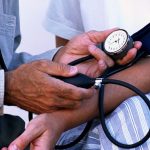
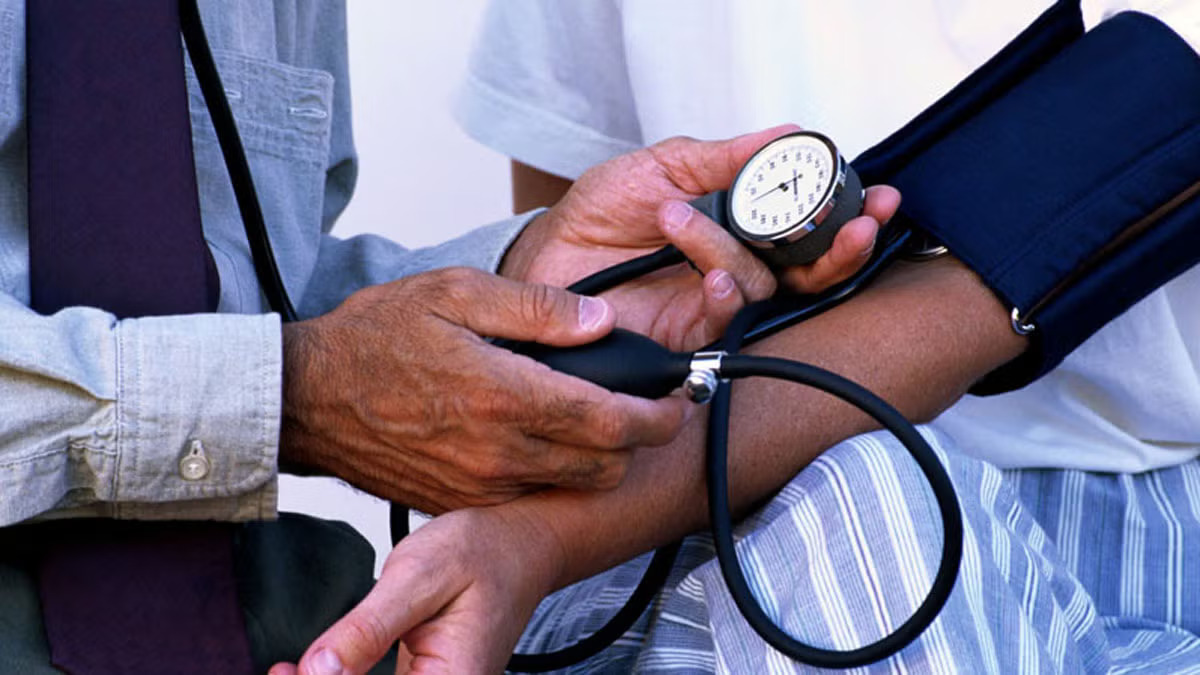
How to Check Blood Pressure
Blood pressure can be measured:
- At a health facility (clinic, hospital, pharmacy)
- At home using a digital monitor
The process is quick, simple, and painless. Regular checks help detect hypertension early.
Treatment and Living With Hypertension
Hypertension cannot always be cured, but it can be effectively controlled. Always consult a qualified healthcare provider before making any decisions about your treatment or management.
Management Includes:
- Healthy lifestyle changes
- Medicines prescribed by a healthcare provider
- Regular monitoring of blood pressure
It is important to follow medical advice, even if you feel well.
With proper care, people with hypertension can live long and healthy lives.
When Should You Get Tested?
You should check your blood pressure if you:
- Are over 30–40 years old
- Have risk factors such as obesity or family history
- Experience symptoms like headaches or dizziness
- Have never checked your blood pressure before
Early testing helps detect hypertension before complications develop.
Key Messages
- Hypertension is common and often has no symptoms
- It can cause serious health problems if not controlled
- Regular screening and healthy lifestyle choices can prevent and manage it
Medical Disclaimer
This content is for health education purposes only and does not replace professional medical consultation. Please consult a qualified healthcare provider for diagnosis and treatment.
Call to Action (CTA)
Take control of your health today. Check your blood pressure regularly, reduce salt intake, and stay active.
Share this information with your family and community to help prevent hypertension and save lives.
Read more trusted health information at keposhealth.com