
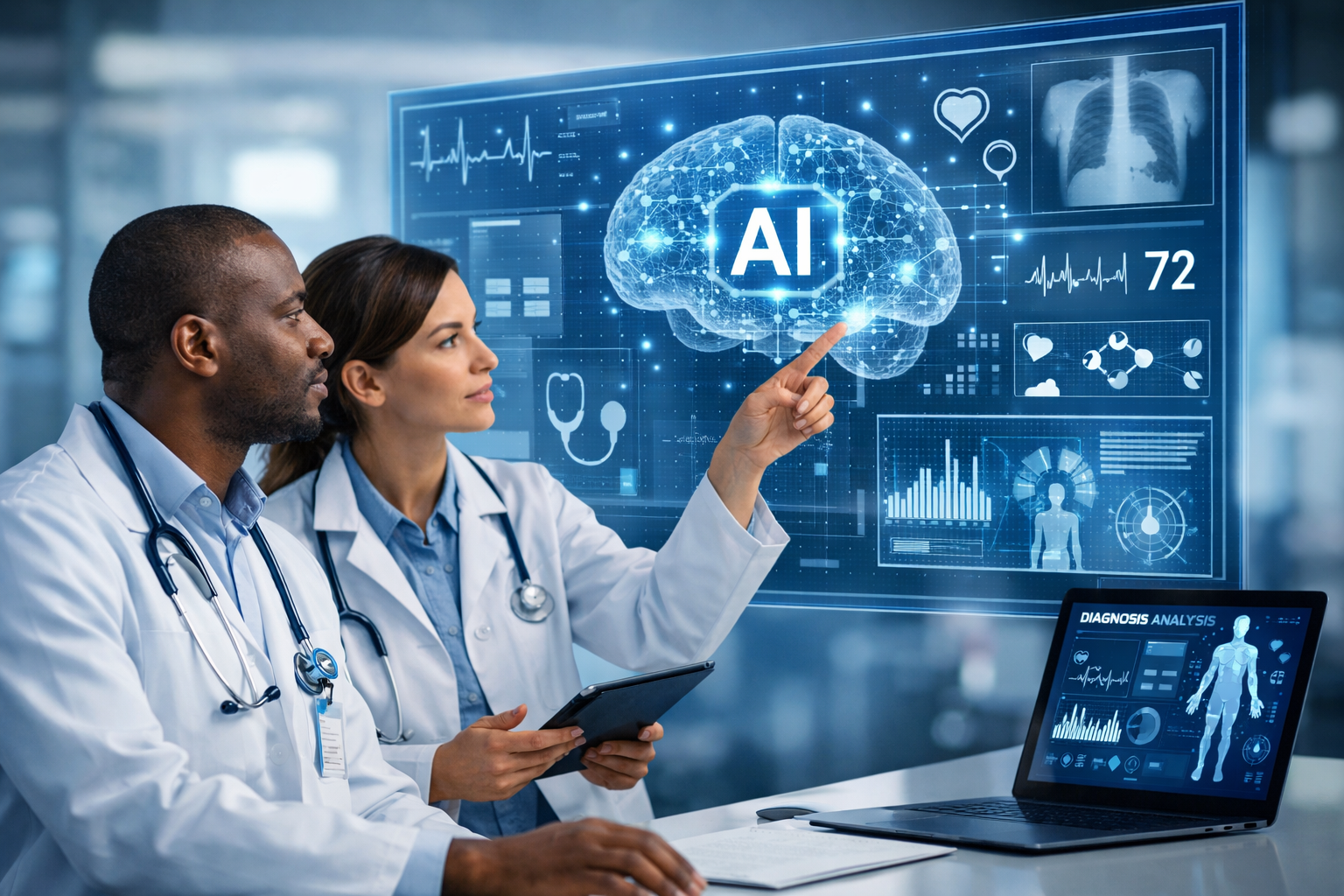
Artificial intelligence (AI) in healthcare refers to computer systems that analyze health data, recognize patterns, and support decision-making by healthcare professionals. In healthcare, AI helps process information such as laboratory results, medical images, vital signs, and electronic health records to improve diagnosis, treatment, prevention, and health system planning
It is important to understand that AI does not replace doctors, nurses, or other healthcare workers. AI does not make medical decisions on its own. Instead, it acts as a support tool, helping health professionals work more efficiently, accurately, and safely.
When used responsibly and ethically, AI can strengthen healthcare systems and improve access to quality care, especially in low- and middle-income countries
Early Disease Detection Using Artificial Intelligence
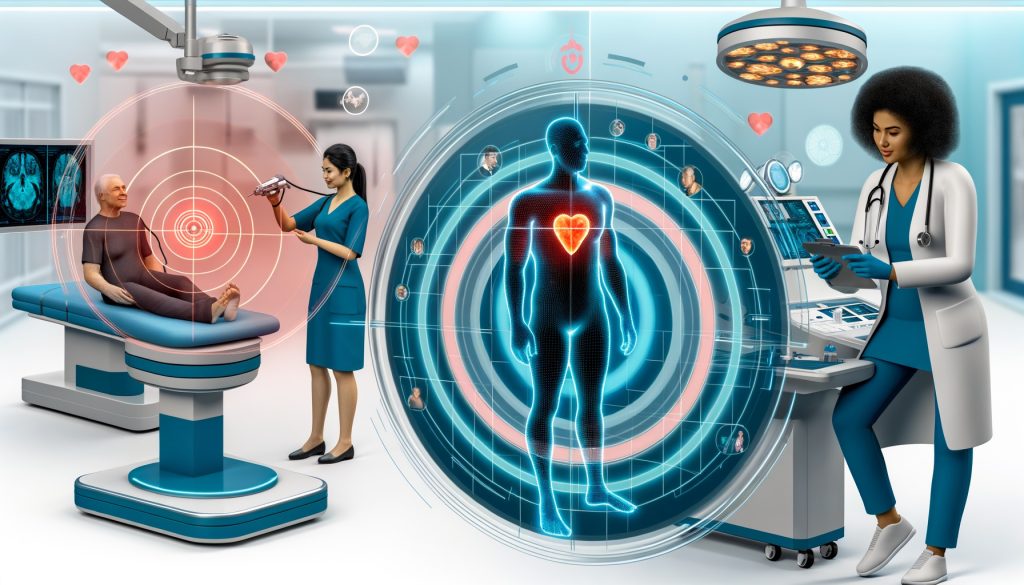
Artificial intelligence in healthcare can help identify diseases such as cancer, diabetes, and heart disease at an early stage, sometimes before symptoms become obvious. AI does this by analyzing patterns in medical tests, imaging results, and vital signs
Why early detection matters:
- Start treatment earlier
- Prevent serious complications
- Improve long-term health outcomes
Healthcare professionals always review and confirm AI-supported findings before taking action.
AI in Medical Imaging and Diagnosis
AI supports doctors in interpreting X-rays, CT scans, MRIs, ultrasounds, and pathology images by highlighting areas that may need closer attention.
Research shows that AI can improve accuracy and reduce missed findings, particularly in busy health facilities.
However, final diagnosis is always made by a trained healthcare professional.
Personalized Treatment Plans with AI
Artificial intelligence helps healthcare providers design personalized treatment plans based on a patient’s medical history, test results, and lifestyle factors.
This approach supports more effective and targeted care, rather than using the same treatment for everyone
AI provides recommendations, but doctors remain fully responsible for treatment decisions.
Remote Patient Monitoring and Digital Care
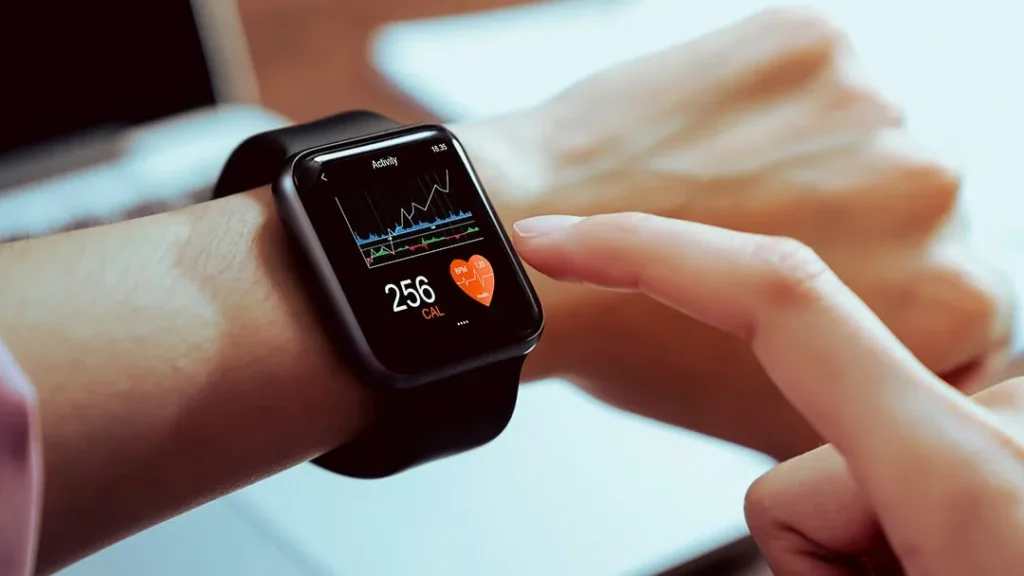
AI enables remote patient monitoring using digital tools and wearable devices. These tools track health indicators such as heart rate, blood sugar, and oxygen levels.
AI systems can detect early warning signs and alert healthcare teams when attention may be needed
This is especially useful for people with long-term or chronic conditions.
Predictive Risk Assessment in Healthcare
Artificial intelligence can help predict health risks such as:
- Hospital readmission
- Disease complications
- Clinical deterioration
By identifying people at higher risk early, healthcare providers can act sooner and prevent serious outcomes
Virtual Health Assistants and Patient Support
AI-powered virtual tools can be used to provide:
- General health information
- Medication and appointment reminders
- Guidance on when to seek medical care
These tools improve access to reliable health information while ensuring that medical care remains the responsibility of qualified professionals
Improving Medication Safety with AI
Artificial intelligence supports safer prescribing by checking for:
- Dangerous drug interactions
- Allergies
- Incorrect medication doses
When used correctly, these systems reduce medication errors and improve patient safety
Artificial Intelligence in Healthcare in Rwanda
Rwanda has made strong progress in digital health and data-driven healthcare planning, under the leadership of the Ministry of Health Rwanda
AI-supported data systems are helping to improve:
Efficient use of health resources
Disease surveillance and early warning
Health system planning and monitoring
Rwanda Case Example: National Health Intelligence Center (NHIC)
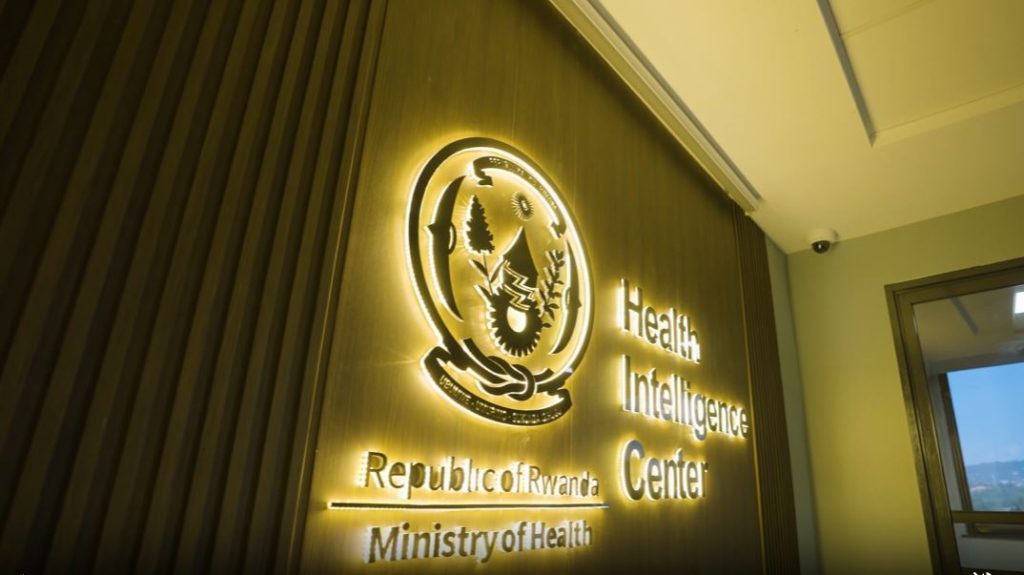
A practical example of AI use in Rwanda is the National Health Intelligence Center (NHIC).
The NHIC integrates health data from hospitals, health centers, community health workers, and surveillance systems. Using advanced data analysis and AI-supported tools, it helps health leaders:
- Detect unusual disease trends early
- Prepare for outbreaks
- Make evidence-based decisions
AI within the NHIC supports public health experts rather than replacing them
Conclusion
Artificial intelligence is already helping improve healthcare by supporting diagnosis, monitoring, prevention, and health system management. AI does not replace healthcare workers. Instead, it supports them to deliver safer, more efficient, and more accessible care.
With strong ethics, transparency, and human oversight, AI can play an important role in strengthening healthcare systems in Rwanda and across Africa.
Frequently Asked Questions (FAQs)
What is artificial intelligence in healthcare?
Artificial intelligence in healthcare refers to computer systems that analyze health data to support doctors and improve patient care.
No. AI supports healthcare professionals but does not replace human judgment or clinical decision-making.
Yes, when used responsibly, ethically, and under proper medical supervision
Yes. Rwanda uses AI-supported data systems, such as the National Health Intelligence Center, to support health planning and decision-making.
AI helps reduce medical errors, supports early disease detection, and improves monitoring and treatment planning
Disclaimer
This article is for educational purposes only. It does not replace professional medical advice, diagnosis, or treatment. Always consult a qualified healthcare professional for individual health decisions.
Stay Informed. Protect Your Health.
Artificial intelligence is shaping the future of healthcare—but informed decisions start with reliable information.
Read more evidence-based health articles on Kepos Health Media, share this post with others, and seek care early when health concerns arise.
👉 Explore more trusted health information on keposhealth.com











ai era is making the difference in health, remote practices can save lives
I am often to running a blog and i really admire your content. The article has actually peaks my interest. I’m going to bookmark your site and preserve checking for brand spanking new information.
Hello everyone, it’s my first go to see at this website, and paragraph is truly fruitful for me, keep up posting these types of articles or reviews.
Sweet Bonanza
Hello to every body, it’s my first go to see of this blog; this web site includes amazing and really good data designed for readers.
Xxx video onlyfans sex video site