What Is a Migraine Headache
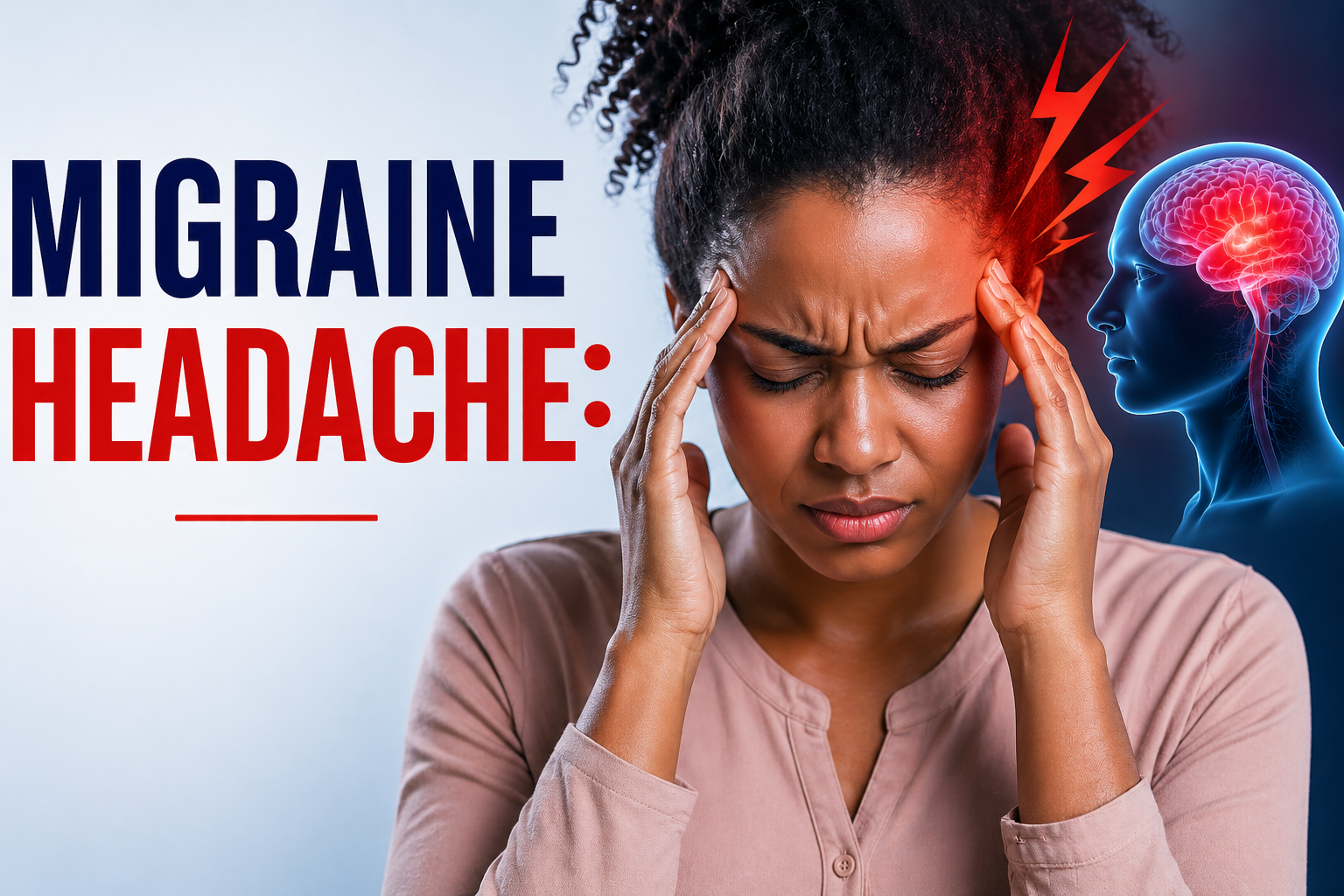
A migraine headache is a common neurological condition. It causes repeated episodes of moderate to severe head pain. The pain often affects one side of the head and may feel like a throbbing or pulsing sensation.
A migraine headache can last from a few hours up to 72 hours. It can interfere with daily activities such as work, school, and family life.
According to the World Health Organization, migraine is one of the leading causes of disability worldwide.
Why Migraine Headache Matters
Migraine affects quality of life. It reduces productivity and daily functioning.
Both the Centers for Disease Control and Prevention and the World Health Organization emphasize early diagnosis and proper management of this condition.
Epidemiology of Migraine Headache
Global Burden
- Headache disorders affect about 3.1 billion people worldwide (≈40% of the population)
- Migraine alone affects about 1 in 4 adults (≈25%) annually
- Migraine is among the top 3 causes of disability globally (DALYs)
This makes migraine a major global public health issue, not just a minor condition.
Sex Differences
- Migraine is significantly more common in women than men
- Prevalence estimates:
- Women: ~29–33%
- Men: ~18–20%
Women are about 2 times more affected than men, likely due to hormonal factors (e.g., estrogen fluctuations).
Age Distribution
- Migraine can occur at any age, including children
- It often:
- Begins at puberty
- Peaks between ages 30–45 years
Symptoms of Migraine
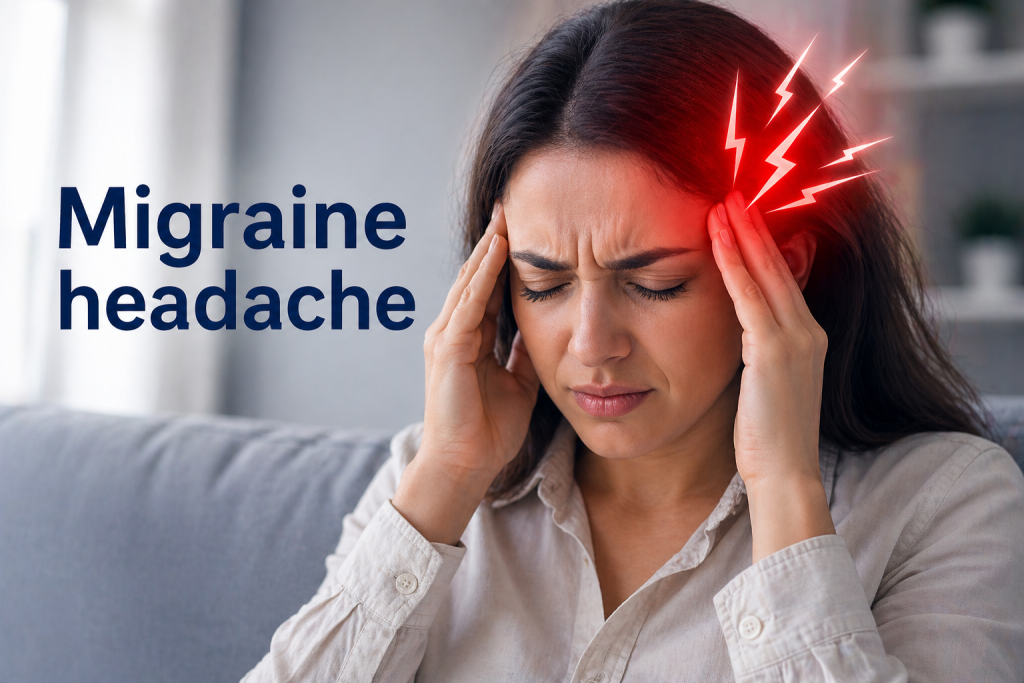
Migraine headache symptoms vary between individuals. However, the most common symptoms include:
Head Pain
- Moderate to severe intensity
- Often on one side of the head
- Throbbing or pulsating
Nausea and Vomiting
- Feeling sick
- Sometimes vomiting
Sensitivity to Light and Sound
- Bright light worsens the pain (photophobia)
- Noise becomes uncomfortable (phonophobia)
Aura (in Some People)
Some people experience warning symptoms before the headache:
- Seeing flashes of light or blind spots
- Blurred vision
- Tingling in the face or limbs
Aura symptoms are temporary and usually last less than 60 minutes.
Causes of Migraine
The exact cause of a migraine headache is not fully understood. However, it involves changes in brain activity and nerve signaling.
Common Triggers:
- Stress
- Lack of sleep
- Skipping meals
- Dehydration
- Bright lights or loud noise
- Hormonal changes
- Certain foods (e.g., excess caffeine)
Triggers differ from person to person. Identifying your triggers is important.
How to Prevent Migraine
You can reduce migraine attacks with simple lifestyle changes.
Prevention Tips:
- Eat meals at regular times
- Drink enough clean water
- Get adequate sleep
- Manage stress
- Avoid known triggers
Keeping a headache diary can help identify patterns and triggers.
Treatment Options for Migraine
Treatment depends on how often migraine headaches occur and how severe they are.
1. Pain Relief Medicines
- Common pain medicines may help if taken early
2. Migraine-Specific Medicines
- Prescribed by a healthcare provider
3. Preventive Treatment
- Used when migraines are frequent or severe
Avoid self-medication without medical advice.
When to Seek Medical Care for Severe Headache
Seek medical care immediately if you have:
- A sudden, severe headache (worst headache ever)
- Headache with confusion, weakness, or difficulty speaking
- Frequent or worsening migraine headaches
- Headache after a head injury
- New headache after age 50
These symptoms may indicate a serious condition.
Conclusion
A migraine headache is common but manageable. Understanding symptoms, triggers, and prevention can help reduce attacks.
Early care and proper treatment can improve quality of life.
Frequently Asked Questions
Migraine headache is linked to changes in the brain and can be triggered by stress, poor sleep, and dehydration.
You can prevent migraine headache by sleeping well, eating regularly, and avoiding triggers.
Most migraine headaches are not dangerous. However, severe or unusual symptoms require medical evaluation.
A migraine headache can last from a few hours to up to 72 hours.
Medical Disclaimer
This content is for health education purposes only and does not replace professional medical consultation.
Call to Action
Follow Kepos Health for trusted, evidence-based health information
Share this article to help others recognize migraine headache early and seek care