
A recent hantavirus outbreak linked to an international cruise ship has attracted attention from global health authorities. Several passengers developed severe illness during the voyage, and multiple deaths were reported.
The World Health Organization (WHO) and other health agencies are now investigating the outbreak and monitoring exposed travelers. Although experts say the overall public risk remains low, the outbreak highlights the importance of rapid public health response and disease surveillance.
According to WHO, the outbreak involved passengers traveling across several countries. As a result, international health authorities started contact tracing and laboratory investigations.
What Is Hantavirus?
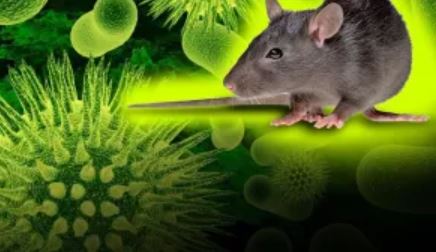
Hantavirus is a virus mainly carried by rodents such as rats and mice. People can become infected after contact with:
- Rodent urine
- Droppings
- Saliva
- Contaminated dust particles
In many cases, infection happens when a person breathes contaminated air in places affected by rodents.
Some hantavirus infections can cause a serious lung disease called Hantavirus Pulmonary Syndrome (HPS). This illness can become life-threatening if treatment is delayed.
Why Is the Hantavirus Outbreak Important?
Health experts are closely monitoring this hantavirus outbreak because the suspected virus strain may be the Andes hantavirus. This rare strain can occasionally spread between people through close contact.
However, experts emphasize that hantavirus does not spread as easily as COVID-19 or influenza.
WHO and international partners continue to coordinate:
- Contact tracing
- Passenger monitoring
- Laboratory testing
- Information sharing between countries
The outbreak also shows how international travel can increase the spread of infectious diseases across borders.
Hantavirus Symptoms
Early hantavirus symptoms often resemble flu-like illness.
Early Symptoms
Common early symptoms include:
- Fever
- Fatigue
- Muscle pain
- Headache
- Nausea
- Abdominal pain
Severe Symptoms
In severe cases, patients may develop:
- Cough
- Chest tightness
- Difficulty breathing
Anyone with severe breathing problems should seek urgent medical care immediately.
How Can People Prevent Hantavirus Infection?
Although the public risk remains low, prevention is still important.
Reduce Rodent Exposure
People should:
- Keep homes clean
- Store food safely
- Dispose of garbage properly
- Seal holes where rodents may enter
Clean Safely
Avoid sweeping rodent droppings directly because this may release contaminated dust into the air.
Instead:
- Use disinfectants
- Wear gloves
- Open windows before cleaning enclosed spaces
Seek Medical Care Early
People with severe symptoms after rodent exposure or recent travel should seek medical attention promptly.
Final Message
The current hantavirus outbreak highlights the importance of strong public health systems, rapid outbreak response, and trusted health information.
At this time, WHO states that the overall public risk remains low. However, health authorities continue to monitor the situation closely.
The public should follow updates from trusted organizations such as WHO and national ministries of health instead of relying on rumors or misinformation online.
For more reliable, evidence-based health articles and updates, visit Kepos Health Media.
Frequently Asked Questions
Hantavirus is a virus mainly spread by rodents through urine, saliva, droppings, or contaminated dust.
Symptoms include fever, fatigue, muscle pain, cough, and breathing difficulty.
Most hantavirus strains do not spread between people. However, the Andes strain may rarely spread through close contact.
People can reduce risk by controlling rodents, cleaning safely, and seeking medical care early if symptoms develop.