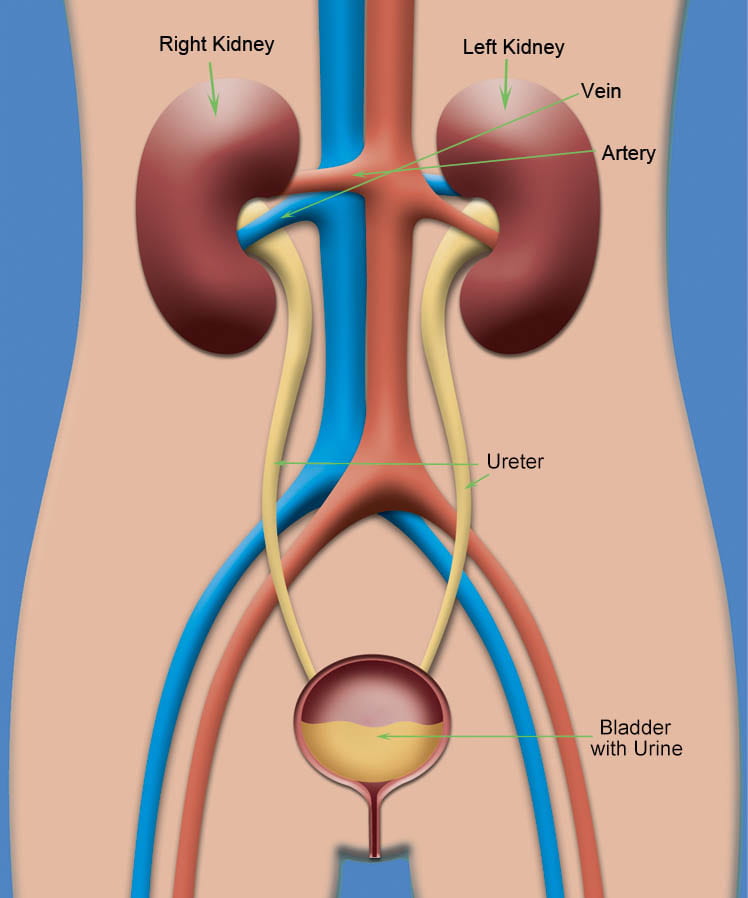
The human kidneys are two bean-shaped organs located on either side of the spine, just below the rib cage. Despite being only about the size of a fist, the functions of the human kidney are essential for keeping the body healthy and balanced.
Many people think kidneys only produce urine, but their role goes far beyond that. They filter waste from the blood, regulate body fluids, control key minerals, and produce hormones that support blood pressure, red blood cell production, and overall body function.
Understanding the functions of the human kidney highlights why protecting kidney health is crucial for long-term wellbeing.
1. Filtering Waste from the Blood
One of the most important functions of the human kidney is filtering waste products from the blood.
Every day, the kidneys filter around 150–180 liters of blood. During this process, they remove waste substances that the body produces during normal metabolism.
Examples of these waste products include:
- Urea – produced when the body breaks down proteins
- Creatinine – produced during normal muscle activity
- Uric acid – formed when certain foods and body tissues break down
If these substances accumulate in the body, they can become harmful. The kidneys remove them and eliminate them through urine.
2. Regulating the Body’s Fluid Balance
Another important role of the kidneys is maintaining the right amount of water in the body.
The body needs a balanced amount of fluid to support:
- healthy blood circulation
- normal blood pressure
- proper organ function
If there is too much fluid, the kidneys remove the excess through urine. If the body needs to conserve water, the kidneys reduce urine production. This ability allows the body to maintain stable fluid balance.
3. Balancing Electrolytes and Minerals
The kidneys also regulate important electrolytes, which are minerals that help control many body functions.
These include:
- Sodium
- Potassium
- Calcium
- Phosphate
Electrolytes are essential for nerve signals, muscle contraction, and heart function. If their levels become too high or too low, serious health problems may occur.
The kidneys continuously adjust how much of these minerals are kept in the body or removed through urine, helping maintain a healthy balance.
4. Helping Control Blood Pressure
The kidneys play a key role in regulating blood pressure.
They help control blood pressure in two main ways:
- By adjusting the amount of fluid in the body
- By producing hormones that influence blood vessel function
One of these hormones is renin, which helps regulate blood pressure by controlling how blood vessels tighten or relax.
When kidney function is impaired, this system may be affected, which can contribute to high blood pressure (hypertension).
5. Producing Important Hormones
In addition to filtering blood, the kidneys produce several important hormones that support other organs.
Erythropoietin
The kidneys produce a hormone called erythropoietin, which stimulates the bone marrow to produce red blood cells. Red blood cells carry oxygen throughout the body.
If the kidneys are not functioning well, the body may produce fewer red blood cells, leading to anemia, a condition where the blood carries less oxygen.
Active Vitamin D (Calcitriol)
The kidneys also convert vitamin D into its active form, called calcitriol. This active vitamin D helps the body absorb calcium, which is essential for strong bones and teeth.
6. Maintaining the Body’s Acid–Base Balance
The body must maintain a stable acid–base balance, also known as pH balance, to keep cells functioning normally.
The kidneys help maintain this balance by:
- removing excess acids from the blood
- regulating substances such as bicarbonate, which neutralizes acids
This function is essential for normal metabolism and cellular health.
Why Healthy Kidneys Are Important
Healthy kidneys are essential for survival. If the kidneys lose their ability to perform their functions, waste products and fluids can accumulate in the body, causing serious health problems.
Several factors can increase the risk of kidney disease, including:
- high blood pressure
- diabetes
- unhealthy diet
- dehydration
- long-term use of certain medications
Because kidney disease often develops slowly, regular health check-ups and early detection are important.
Simple Ways to Protect Your Kidneys
Maintaining healthy lifestyle habits can help protect kidney function.
Some important steps include:
- Drink enough clean water
- Maintain healthy blood pressure
- Control diabetes
- Reduce excess salt intake
- Avoid unnecessary or excessive use of pain medications
- Maintain a healthy body weight
Taking care of your kidneys helps support overall health and long-term wellbeing.
Read more trusted health information at keposhealth.com
The kidney is a bean-shaped organ that filters waste products, excess fluids, and toxins from the blood. It also helps regulate electrolytes, blood pressure, and hormone production, making it essential for overall health.
The kidneys filter waste and excess fluids from the blood, regulate electrolytes like sodium and potassium, balance body fluids, produce hormones that control blood pressure, and support red blood cell production
The kidneys are two bean-shaped organs located on either side of the spine, just below the rib cage. Despite their small size, they perform essential functions that maintain overall health.
Healthy lifestyle habits like staying hydrated, eating a balanced diet low in processed foods and excess salt, exercising regularly, avoiding smoking, and managing conditions like diabetes and high blood pressure help protect kidney function.
Medical Disclaimer
This content is for health education purposes only and does not replace professional medical consultation, diagnosis, or treatment. If you have symptoms or concerns about your health, please consult a qualified healthcare professional.